A farewell where somebody will speak
Halfway through, one person stands up and half the table pretends they saw it coming. The room has to let that land without a stranger's playlist running over the top of it.

Start with the occasion
Nobody chooses well by opening a map or scrolling a list of cravings. Name the occasion first, say what it has to deliver for the people who will be sitting there, and most of the city rules itself out before anyone has argued about a single restaurant.
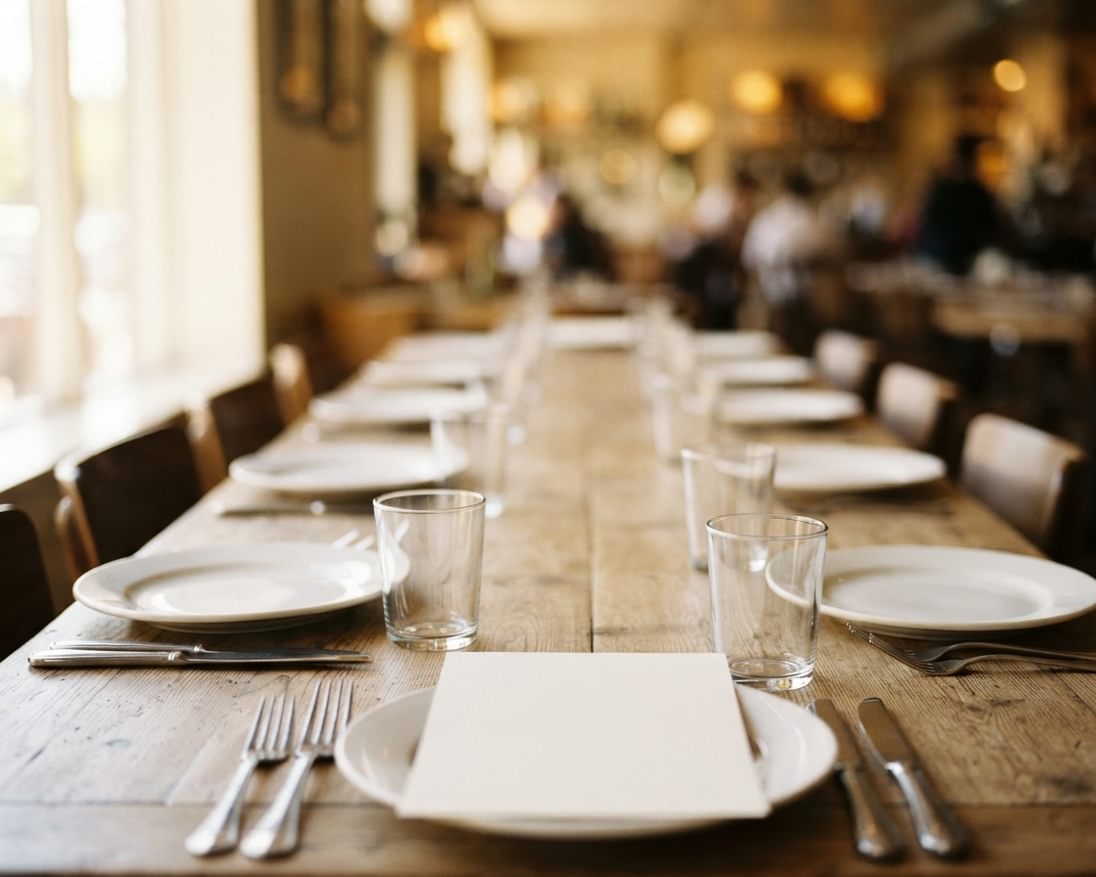
Every occasion moves the bar somewhere different. A leaving do needs a room where one person can stand up and be heard by the far end of the table. A first meeting needs a table you can talk across without leaning in. A team night after a hard week needs somewhere nobody feels watched and nobody feels the bill. Same city, same money, three completely different answers.
So the useful questions are not about food yet. Who has to feel at ease for this to work at all. How long the group is allowed to sit there before somebody has to go. How much the evening is carrying: a proper marker in somebody's year, or an ordinary night you would rather not overthink.
Get those three straight and the shortlist further down stops being a matter of taste and starts being a matter of fit.
Halfway through, one person stands up and half the table pretends they saw it coming. The room has to let that land without a stranger's playlist running over the top of it.
A new client, a future in law, a friend of a friend you are finally sitting down with. If people have to say things twice, the evening never gets going, whatever arrives on the plate.
Nobody wants to be the person reading down the right hand column. A place where the cheapest thing on the menu is still a proper dinner keeps the whole table relaxed.
Put the rules in writing
Most of the argument in the chat is about rules nobody has stated. Writing them down drags them into the open: how formal this is allowed to feel, whose comfort is not up for negotiation, and how much time the group honestly has.
An unstated rule does not stop applying. It just turns up at the door, when the person who cannot manage stairs is standing in front of them and the table is booked upstairs.
The shortlist
These are here because they answer the occasion you have just described, not because somebody decided they are the best restaurants anywhere. Nothing on this page is ranked, and the order a record sits in carries no verdict at all.
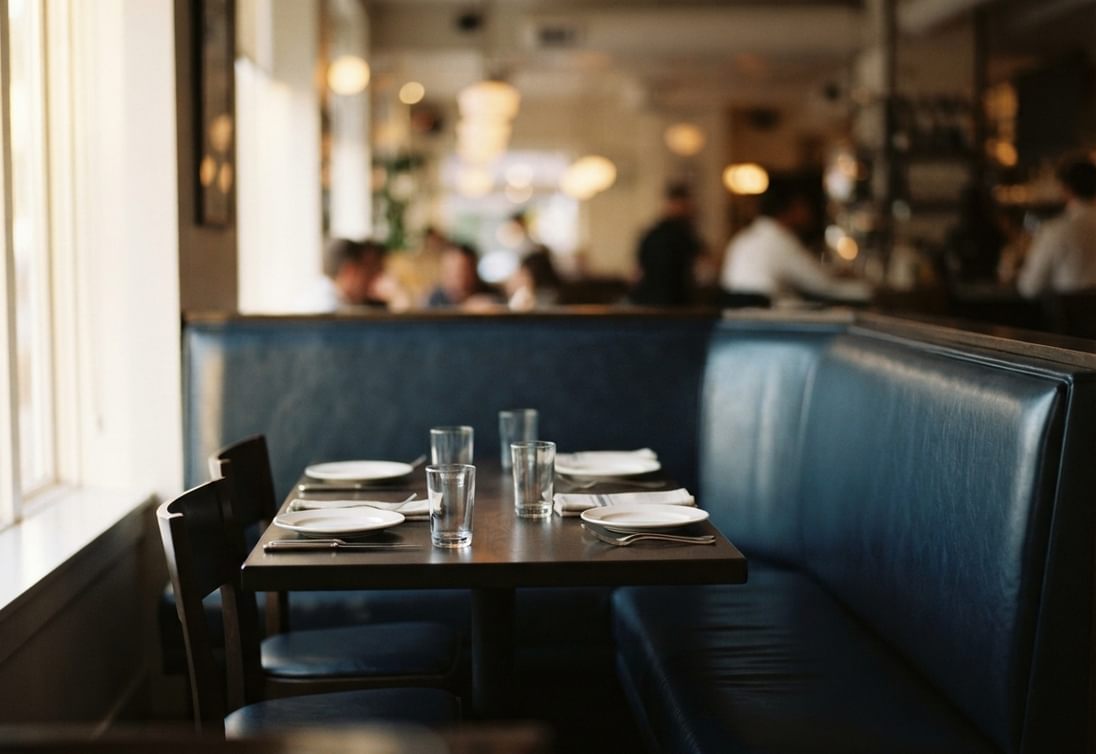
Every entry below is built from the same fields in the same order, so you can compare them at a glance instead of reading four differently written adverts: the venue name, what kind of place it is, a short summary in the venue's own words, where it is, and how many people have rated it.
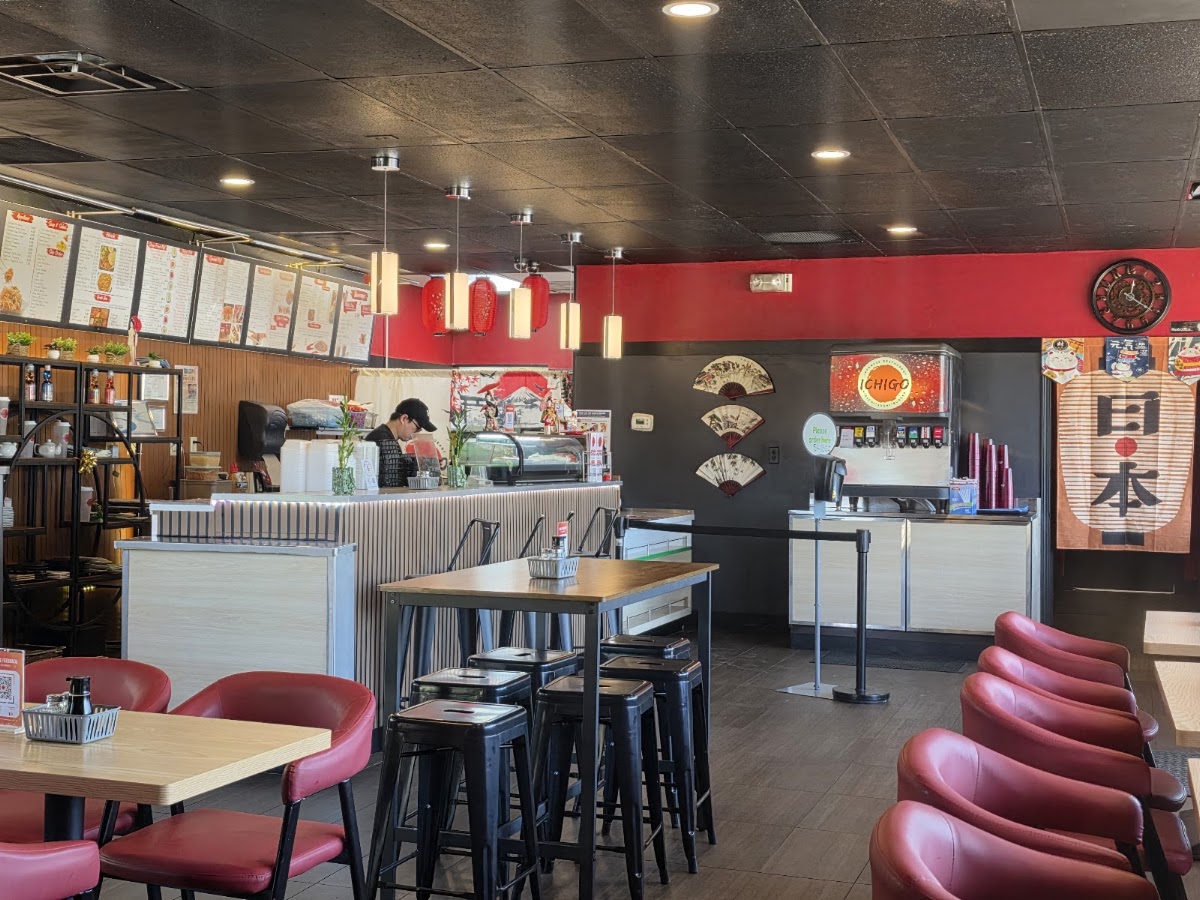
Japanese Restaurant
ICHIGO Crestline offers a casual Japanese dining experience in Crestline with affordable prices and highly rated meals.
137 E Main St, Crestline, OH 44827, United States
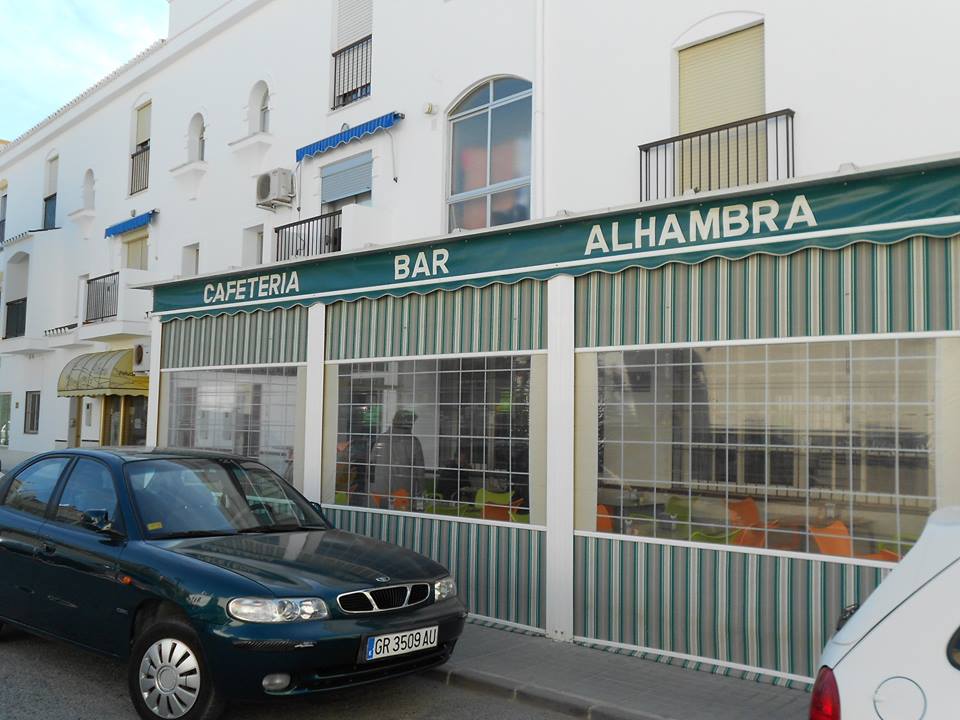
Cafeteria
A local cafeteria in Salobreña offering tapas and coffee with friendly, attentive service.
C. Miguel de Cervantes, 7, 18680 Salobreña, Granada, Spain
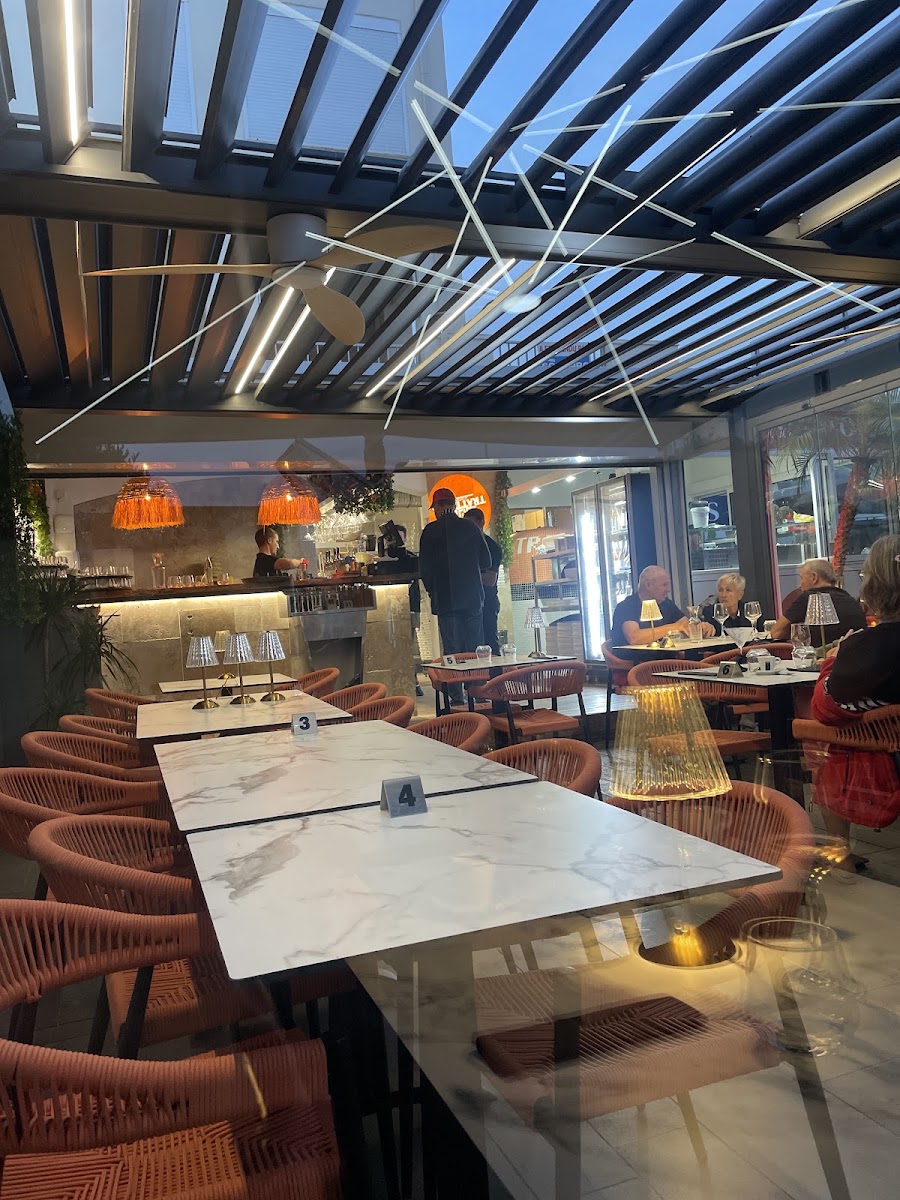
Italian Restaurant
Casual Italian dining with cozy atmosphere in Cap d'Agde, serving lunch and dinner.
Le, Cap D, Place racine, 34300 Agde, France
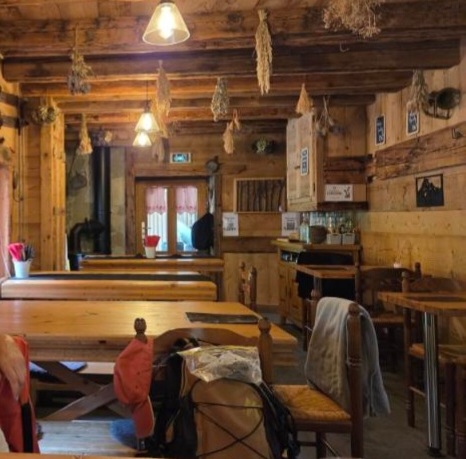
French Restaurant
Cozy French restaurant and bar in Bernex offering a casual atmosphere with outdoor seating.
8PR4+CW, 74500 Bernex, France
Every record carries the venue name, a short descriptive summary and a link straight through to that venue's own page. Follow it before you commit a whole group to anything: the click through is where you confirm the things that would sink the night, such as whether they will hold a table that long, whether the room at the back is free, and how late the kitchen really serves.
Read them in that order and the field usually halves on the first pass. What is left is a small number of places that could all take your group without anything going obviously wrong.
The set stays short on purpose. A handful of places can be weighed in the time a group stays interested; a directory of forty cannot, and the occasion quietly dies while everybody scrolls.
The honest part
One of those places will honour the occasion better than the rest, and it will cost you something. The trick is to know what, and to say it before a single name goes into the chat.
Take two or three from the shortlist, and only the ones every single person invited could realistically walk into. Then stop looking at the rest. Widening the search at this point is how a group that had nearly decided goes back to having nothing.
Hold the finalists against the rules you wrote further up rather than against each other. The question is never which restaurant is better. It is which one breaks the fewest of your own rules on this particular evening.
If two of them break none, take the one that is easiest for the guest who has the furthest to come.
Name what you are protecting for this occasion, name what you are giving up to protect it, and say which one you will fall back on. People agree to a choice that admits its cost. They pick apart a choice that pretends there was not one.
The verdict
This is where the deciding stops. One place goes into the group chat as the plan for this occasion, and one waits behind it in case the first is full, shut, or vetoed the moment it lands.
Both come out of what you wrote about the occasion and the two or three you kept after the trade offs. The first is the one that gives up the least of whatever this evening could not do without. The second deliberately sits on the other side of that same trade, so if the first falls through nobody is starting from an empty page again.
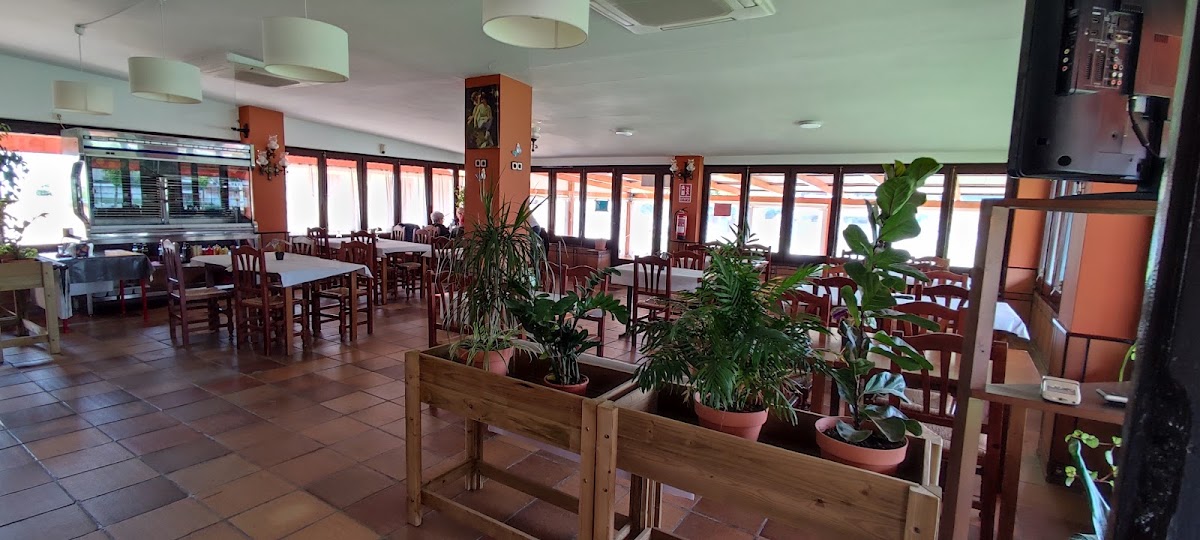
Bar & Grill
Great coffee
Casual Bar & Grill near outdoor swimming pools with outdoor seating and good coffee.
Plaza Catalunya, 2, 17404 Riells i Viabrea, Girona, Spain
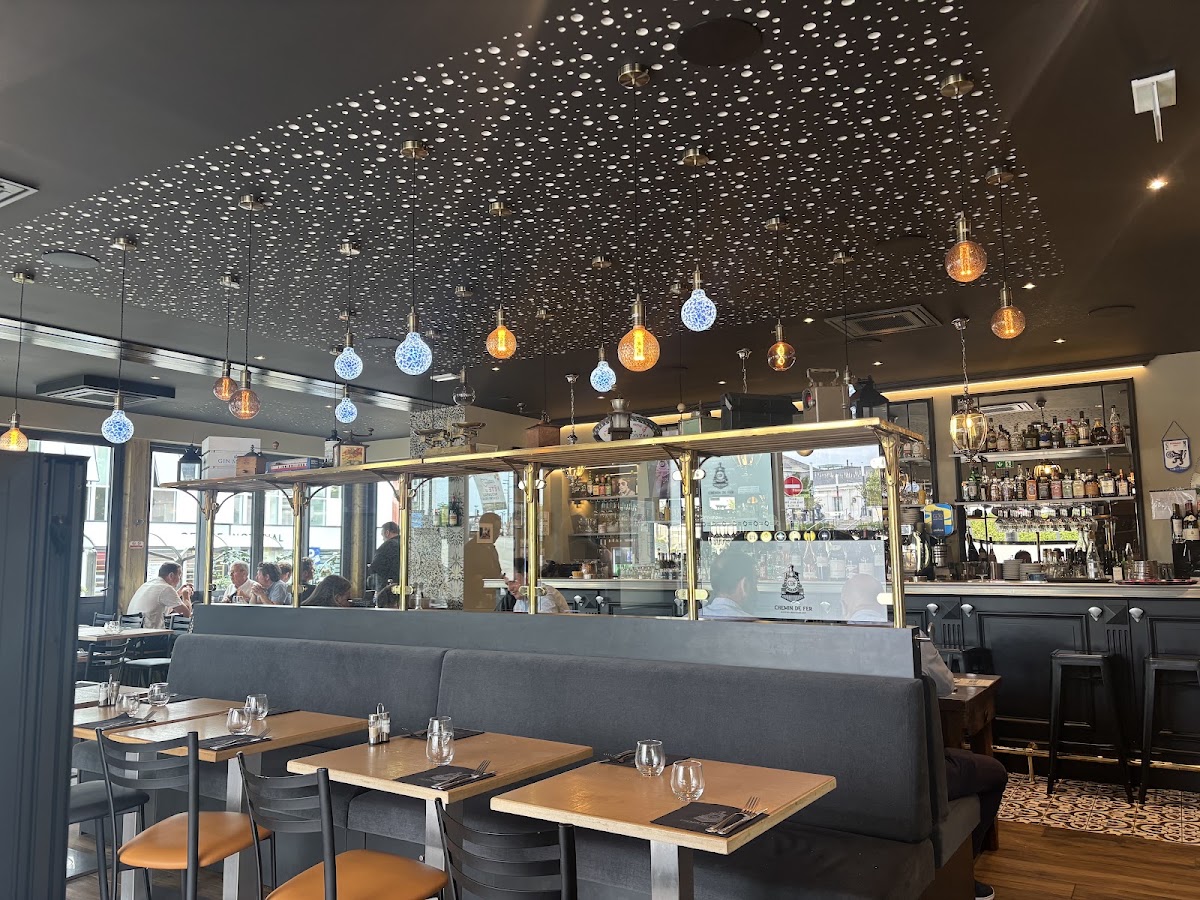
Restaurant
€20 to €30 price range
Casual bistro and bar near Laval train station offering a cozy setting with a strong drink and dessert selection.
117 Av. Robert Buron, 53000 Laval, France
"Booking the first one for Friday. It is the room that suits what this evening is for, and yes, that means giving up the quieter one. If they cannot take us, I will book the second and tell you. Shout in the next hour or that is the plan."
Neither slot invents anything about a venue. What you can read here is what is on record for it, and the link through is where the rest gets checked.
If it does not land
A veto is not a reason to reopen the whole search. It nearly always means one of three things, and each of them has a shorter road out than going back to a blank map.
Whichever road you take, it finishes the way this one did: one place named, one held behind it, and the cost of the choice said out loud instead of discovered at the table.